
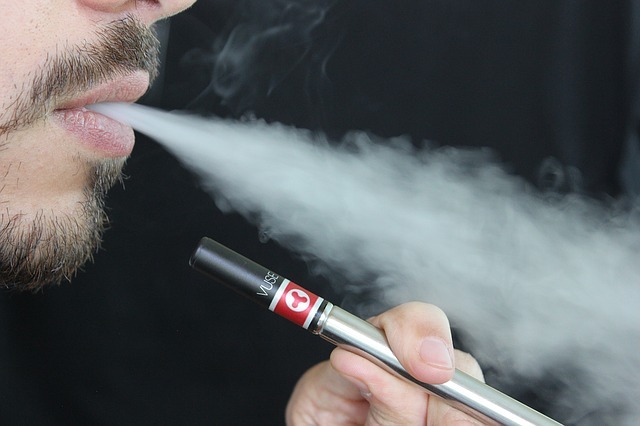

At the time this article was written, eight people had lost their lives due to severe respiratory illness from the use of e-cigarettes, also known as “vaping.” That number is expected by healthcare professionals to rise as this trendy alternative to cigarettes becomes more and more popular, especially in the younger population. According to the Center for Disease Control and Prevention (CDC), as of early September, there are over 450 possible cases of e-cigarette related lung illness. With this recrudescence spreading and becoming a common issue, the fact that there is no specific ICD-10 code for this diagnosis is problematic.
In March of 2017, and again in September of 2018, the American Thoracic Society (ATS) requested specific ICD-10 codes for e-cigarettes. They stated:
The development and marketing of e-cigarettes, e-cigars and other electronic nicotine delivery devices poses significant challenges to health care providers, researchers, patients, public health officials and for ICD-10-CM coding. Currently, there is no effective way for health care providers to specifically code patients who use ENDS [electronic nicotine delivery systems] products. Given the growth in its usage, both domestically and internationally, the lack of a unique code set for these products will pose a barrier for the effective use of ICD-10-CM for health surveillance and research purposes. (1)
United States. Center for Disease Control and Prevention. Coordination and Maintenance Committee. “ICD-10 Coordination and Maintenance Committee Meeting.” Cdc.gov. Page 31. National Center for Health Statistics. March 2017. Web. 30 September 2019.
No one in the healthcare community doubts the harm that vaping can cause, especially in young people. However, when documenting a patient’s diagnosis, the available ICD-10 codes do not cover e-cigarettes specifically. The ICD-10 codes one would use are F17.200 – F17.291, which indicates nicotine dependence, either unspecified, cigarettes, chewing tobacco, or other tobacco product (like snuff), and either uncomplicated or in remission. None of these would accurately describe e-cigarettes as these vaping products affect the respiratory system in a different way than cigarettes, chewing tobacco, and other tobacco products.
E-cigarettes deliver a vaporized dose of nicotine, along with various chemicals, including, but not limited to, glycerin, propylene glycol, and flavorings. When someone vapes, they inhale vapor instead of smoke. No long-term studies exist to back up claims that inhaling vapor is less harmful than traditional smoke. Cancer takes years to develop, so it’s unclear if a product causes or increases the risk of cancer until that product has been out for at least 15-20 years. We know little about the long-term health effects of vaping.
The FDA Commissioner announced in the fall of 2018 that middle and high school students using e-cigarettes and vaping had reached epidemic proportions. This issue has only grown since then, but the codes for nicotine dependence haven’t changed since they were new codes in 2015. The new ICD-10 codes for 2020, which set for release by the time this article runs, do not include any alterations to the nicotine dependence codes, specifying e-cigarettes, nor are there new codes for this wide-spread, still growing health issue. It seems like we will be waiting another year to accurately document and survey the prevalence of developing respiratory issues caused by this possibly deadly trend.
If you need more information or assistance from trained coders and billers, contact us to purchase an “Ask Us Anything” support contract, and we will be happy to help.
https://www.cdc.gov/nchs/data/icd/topic-packet_03_07_17.pdf